



We often encounter the problem of confusing the roles of product designer and product manager in an organization. We will explore the topic and look for similarities as well as differences.
What is user experience design all about?
Before we get started, it's important to mention what user experience design is . The process involves examining how the user interacts with the system and creating a solution for it. It's worth involving UX experts in every stage of product development , as they are specialists with a wide range of expertise who are expected to create the most convenient integrated user experiences possible.
What do product designers do?
Product creation begins with user research. They need to find the primary pain points and motivations of potential users and learn the context of their interactions.
They then analyze the data received, create user portraits, and try to find out if the potential product (or a new version of an existing one) has a chance of being interesting and useful to the target group . Product designers use various research methods, study psychology to better understand people, and develop empathy, which is one of their main weapons.
They analyze the information received and, together with product managers, create documentation (for example, on product requirements), supplementing it with the necessary user journey maps and user portraits. Product designers learn the basics of entrepreneurship, explore business management processes, and study the company's prioritization and resource allocation practices to finally understand what needs to be delivered and when. This is important because they need to be able to communicate in one language with product managers and be allies of a unified product concept.
After that, the process of creating the solution begins, the collaboration between content writers and developers : various tests, result analyses, changes, regular checks and coordination come. Of course, product designers do not write code, but they need to understand the frameworks and technologies used by developers, so that the pace of work is fast and efficient.
Collaborating with marketers and PR professionals during the promotional phase and sourcing all the tools needed to bring the product to market are also the responsibility of product designers.
After that, everything happens cyclically, in the following round:
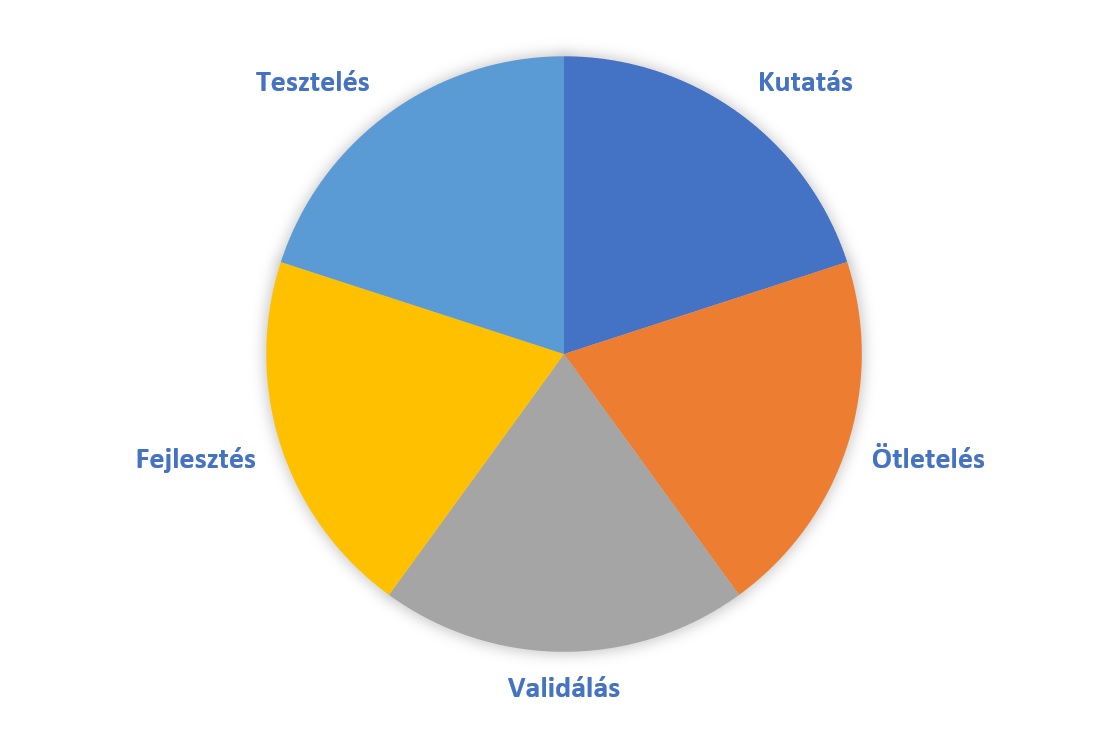
This does not mean that product designers do it all alone and take direct responsibility for it.
The product designer is the bridge between all teams at all stages of product development and the user advocate.
What do product managers do?
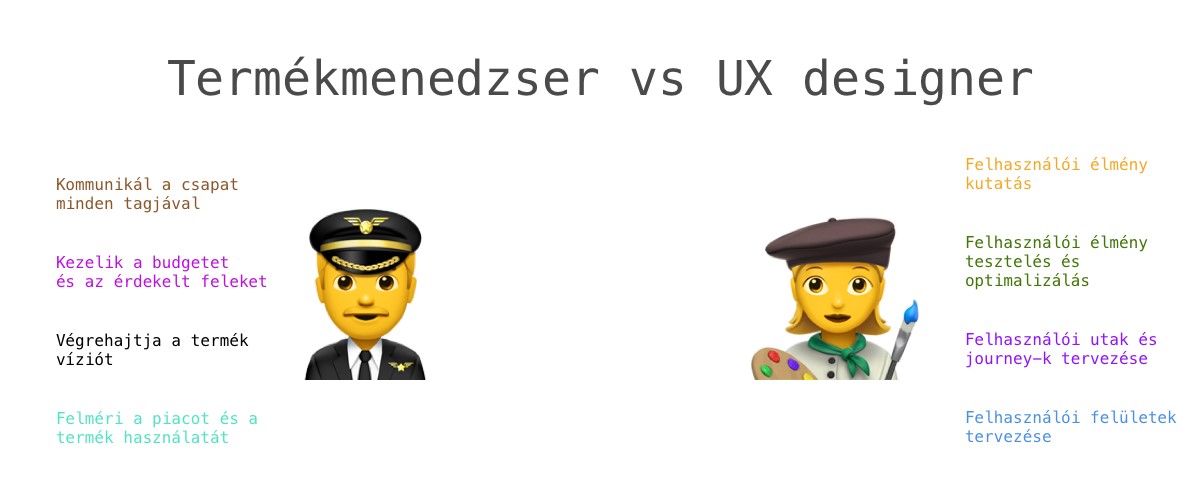
Unlike product designers, product managers are business advocates whose goal is to organize the development process to achieve business goals.
Product managers are directly responsible for analyzing the market and competitors, creating a product development strategy based on collected user problems, preparing the necessary documentation and knowledge base, creating a schedule, setting up teamwork, assigning tasks, and describing acceptance criteria.
While product designers research users and their problems, product managers prioritize those problems and assign tasks to developers. Product designers and developers solve the problems, and product managers organize their work.
So what's the difference?
Like product designers, product managers are involved in the development process at all stages. The product manager is responsible for organizing the process, while the product designer is responsible for ensuring the quality and integrity of the solution. However, both experts build their work on an understanding of user problems and business goals , and this is where they intersect.
Unlike developers, UX writers or test engineers, product designers have a much broader range of expertise and skills and are needed at all stages of product development. This is why it can be mistakenly thought that product designers can come into conflict with product managers. In real life, they can only appear as an auxiliary force, not a replacement for the product manager, since they never direct and organize anything, while managers never directly solve any product problems.
Summary
Collaboration, continuous interaction, and mutual understanding between product designers and product managers are the keys to creating a successful product or service.
Modern product managers understand the value of UX, design thinking, and the work of product designers, just like product designers, who recognize the motivations of product managers, their functions, and always strive for fruitful collaboration.
Listen to our podcast about the course!